How Children Build Conflict Resolution Skills Without Adult Intervention
Serena Romero, Chief Executive Officer, CGS Family Partnership
Play is often seen as something children do between lessons. In reality, play is one of childhood’s most important lessons. Through imaginative games, shared activities, and everyday interactions, children learn critical life skills that are the building blocks of healthy relationships, confidence, and emotional growth.
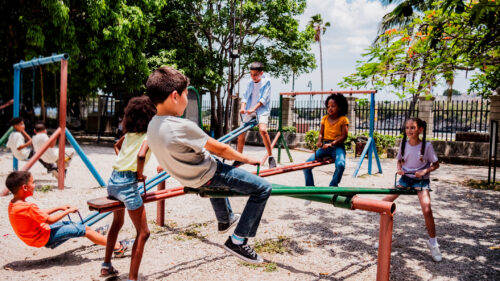
When children play together, they are constantly practicing how to communicate, cooperate, manage frustration, and solve problems. They decide who gets which role in pretend play, negotiate rules for games, take turns with materials, and adapt when things do not go as planned. In those moments, they develop flexibility, communication, and resilience.
Play also allows children to use their strengths. Some children are natural leaders, others are creative thinkers, peacemakers, organizers, or problem-solvers. Recognizing and using those strengths helps children build confidence and learn how they contribute to a group. This mirrors the strength-based approach used by Care Management Organizations, which focuses on helping youth thrive by identifying what is working and building from there.
Conflict is a normal part of childhood. It happens when two children want the same toy, disagree about game rules, feel left out, or struggle to express emotions. While adults often feel pressure to step in immediately, not every disagreement needs to be solved for children. When adults intervene too quickly, children can miss the chance to develop their own problem-solving muscles. If a teacher, parent, or caregiver always decides whose turn it is or who was right, children may begin to rely on adults instead of learning to navigate social situations themselves.
Stepping back does not mean ignoring children. It means observing, staying nearby, and allowing space for them to work through manageable problems independently.
Age-appropriate conflict gives children opportunities to learn how to:
- Express what they need using words
- Listen to another child’s perspective
- Handle disappointment
- Compromise
- Repair relationships after hurt feelings
- Try again after frustration
These experiences teach children that conflict is manageable and not something to fear. However, there are times when adult support is necessary because safety always comes first. Adults should intervene when there is:
- Physical aggression
- Repeated exclusion or bullying
- A child who is overwhelmed and unable to regulate
- Significant power imbalances
- Behavior that puts anyone at risk
In these moments, adults can guide rather than control. Calm coaching helps children learn while still feeling supported.
Children who learn to resolve everyday conflicts through play are practicing skills they will use for the rest of their life in relationships, teamwork, school, and even future workplaces. Play can teach them that disagreements do not end relationships. They learn that emotions can be managed. They learn that other people have perspectives worth hearing. Most importantly, they learn they are capable. Play may look simple from the outside, but inside every disagreement over blocks, every debate about rules, and every repaired friendship is meaningful development taking place.